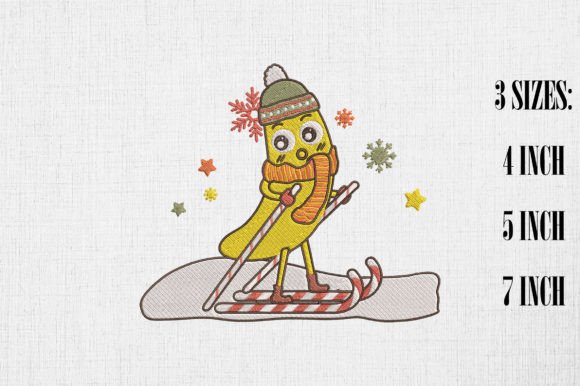
Baking Through the Snow: A Designer's Real-World Review
When I first opened the files for Baking Through the Snow, my initial reaction wasn't about stitch counts or file formats. It was about the mood. As a designer who spends hours evaluating digital assets for both personal hobbies and commercial client work, I look for designs that tell a story before they even hit the hoop. This piece immediately conjures up images of warm kitchens, steam rising from fresh cookies, and the cozy chaos of holiday prep. It feels less like a generic seasonal graphic and more like a specific moment frozen in time.
The title itself is inviting, but the visual execution is what truly matters when you are planning to turn a digital file into a tangible handmade product. The layout suggests a design that balances whimsy with structure, making it versatile enough for a variety of applications. Whether you are an Etsy seller looking to stock your shop for Q4 or a boutique owner creating custom corporate gifts, understanding how this design translates from screen to fabric is crucial. Let's dive into how Baking Through the Snow performs in actual production scenarios.
First Impressions: Visual Personality and Layout
The design exudes a festive yet approachable energy. Unlike some Christmas embroidery files that rely heavily on cluttered backgrounds or overly dense fill stitches, this one appears to have breathing room. In my experience, negative space is just as important as the stitching itself, especially when the final product needs to be wearable or usable without feeling heavy. The theme of baking fits perfectly with home decor items like tea towels and aprons, but the composition also holds its own on apparel.
The detail level seems calibrated for standard machine embroidery workflows. There is a sense of texture implied by the shapes, suggesting that the artist intended for satin stitches to capture the smoothness of icing or the fluffiness of snow, while perhaps using running stitches for outlines to keep things crisp. For a custom apparel project, this balance is vital. If the design were too dense, it might create a stiff spot on a sweatshirt; if it were too sparse, it could look unfinished on a tote bag. Baking Through the Snow strikes a chord that suggests it will sit comfortably on the chest of a hoodie or centered on a kitchen towel without overwhelming the garment.
Real-World Application: From Digital File to Finished Product
To truly test the viability of this design, I often imagine placing it on specific products before I ever touch the hooping tool. Let's consider a scenario where you are preparing a batch of holiday gifts for a local craft fair. You decide to embroider a series of canvas tote bags featuring Baking Through the Snow. The design's vertical orientation would likely work well here, allowing the text and imagery to flow naturally down the front of the bag.
In this context, the design acts as a focal point. Customers browsing a booth want to see something that connects emotionally. A simple graphic of a baker or a cookie jar might be nice, but a scene that implies action and warmth creates a stronger desire to purchase. When stitched onto a natural-colored canvas, the thread colors would pop, creating a high contrast that screams "holiday spirit." However, if you were to use this on a dark navy sweatshirt, the choice of thread colors becomes critical. Light threads against dark fabric require careful selection to ensure the details don't get lost in the shadows.
I also envision this design on baby clothes. The soft theme of baking and snow aligns perfectly with nursery decor and infant apparel. For a baby embroidery project, the scale of the design must be considered. If the file includes large text or intricate details, it might need resizing to fit a onesie without compromising the integrity of the stitches. But if the design allows for a smaller placement, it could become a cherished keepsake for new parents. The key is ensuring the design remains legible even after multiple washes, which brings us to the practicalities of construction.
Navigating Technical Challenges and Fabric Limitations
While Baking Through the Snow looks promising on paper, real-world application always comes with challenges. One of the most common pitfalls in commercial embroidery is underestimating the impact of fabric texture. If you plan to use this design on a textured fleece or a thick wool blend, you must ensure the stabilizer can support the weight of the stitches. Dense fill areas can sometimes cause puckering if the fabric isn't properly stabilized underneath.
Furthermore, stretchy fabrics like jersey knits require extra attention. While a design might look perfect on a rigid cotton canvas, applying it to a stretchy t-shirt or leggings demands a stabilizer that can move with the fabric without restricting its elasticity. If the design is too tight or uses too much density, it could restrict movement or cause the stitches to break over time. I always advise testing on scrap fabric first to gauge how the stitch density interacts with the material.
There are also limitations regarding small hoop sizes and curved surfaces. If you intend to place this design on a baseball cap, the curvature of the crown might distort the text or the central image if the design isn't optimized for curved stitching. Similarly, on very small items like patches or hat brims, intricate details might get lost or merge together. Always check the hoop size requirements before committing to a production run. If the design includes tiny lettering or fine lines, these elements might not render clearly on a small surface area.
Impact on Brand Value and Customer Perception
For those of us selling handmade goods, the quality of the embroidery directly influences customer trust. A sloppy stitch job or a design that doesn't translate well to the fabric can make a professional-looking product appear amateurish. Conversely, a well-executed design like Baking Through the Snow elevates the perceived value of the item. When a customer sees a clean, crisp image with good color contrast, they assume the entire product is made with care.
This design has the potential to enhance brand consistency for small shop owners. If your brand focuses on cozy, rustic, or homey aesthetics, this file fits seamlessly into that narrative. It reinforces the idea of a thoughtful, curated collection. On the other hand, if you are aiming for a modern, minimalist look, you might find the design slightly too traditional. It is essential to match the design's personality with your target audience's expectations.
Another factor to consider is the longevity of the finished product. High-quality embroidery should withstand frequent washing and wear. If the design relies heavily on delicate satin stitches that are prone to snagging, it might not be ideal for items like aprons or workwear that see heavy use. In such cases, incorporating a tougher stitch type or reinforcing the edges could be necessary.
Practical Notes for the Embroidery Designer
Before you start producing, there are several technical steps you must take to ensure success. First and foremost, always test the design on scrap fabric that matches your final material. This allows you to see how the thread colors interact with the background and whether the fill stitch coverage is appropriate. Don't skip this step, as it can save you from ruining expensive inventory.
Review the stitch density carefully. If the design feels too heavy, consider adjusting the settings on your machine or selecting a lighter stabilizer. Check for any small details that might not hold up well during the stitching process. Sometimes, what looks clear on a computer screen can become muddy when stitched. Comparing light and dark fabric mockups is also a smart move to ensure the design remains visible across different product variations.
If you are planning to sell finished items, confirm the licensing terms associated with the digital embroidery file. Some designers allow commercial use, while others restrict it to personal projects only. Understanding these terms protects your business from legal issues. Additionally, verify the file formats provided to ensure compatibility with your specific embroidery machine. While the product description mentions multiple options, double-checking the specifics ensures a smooth workflow.
Ultimately, Baking Through the Snow offers a charming and versatile option for holiday-themed projects. Its ability to evoke warmth and nostalgia makes it a strong candidate for various applications, from personalized gifts to boutique merchandise. By approaching the design with a critical eye and following best practices for stabilization and testing, you can transform this digital asset into a beautiful, market-ready finished product that customers will love.