FSL Ribbon on Christmas Wreath Review
When I first opened the file for FSL Ribbon on Christmas Wreath, my immediate thought wasn't about the holiday season, but rather the texture and structural integrity of a freestanding lace piece. As a designer who frequently tests new embroidery files before recommending them to clients or using them in boutique collections, I look for designs that offer more than just a pretty picture; they need to hold their shape and elevate the final product. This design promises to mimic the delicate look of crochet filet doilies, and after running several test stitches, I can confirm it delivers on that aesthetic promise while presenting some specific challenges for the practical maker.
The First Impression: A Delicate Holiday Accent
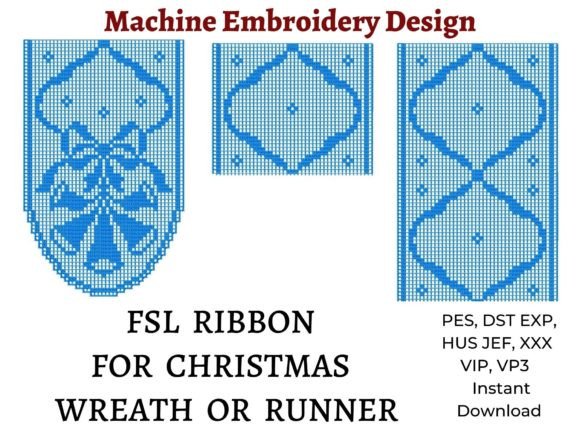
The visual personality of this machine embroidery design is undeniably festive yet sophisticated. Unlike many holiday patterns that rely on heavy fill stitches and bold colors, FSL Ribbon on Christmas Wreath leans into negative space and fine lines. It creates a mood that feels airy, elegant, and distinctly handmade. The layout suggests a ribbon motif intertwined with wreath elements, which gives it a natural flow suitable for curved surfaces or as a standalone decorative element.
For the digital product seller or Etsy owner, this design offers a unique selling point: the illusion of intricate crocheted fabric created entirely by a sewing machine. In a market saturated with standard applique designs, a high-quality freestanding lace (FSL) file stands out. It signals quality craftsmanship to the buyer before they even touch the finished item. The "ribbon" aspect adds a dynamic element, suggesting movement and softness that contrasts beautifully with rigid home goods like pillows or towels.
Real-World Application: From Scrap Fabric to Boutique Shelf
To truly understand the potential of this design, I simulated a real-world scenario: creating a custom line of holiday gift sets for a small business client. The goal was to produce a premium kitchen towel set and matching tote bags that would feel luxurious enough to justify a higher price point. I decided to use FSL Ribbon on Christmas Wreath as the central focal point on each item.
On the kitchen towels, the design performed exceptionally well. When stitched onto a crisp white cotton tea towel with a high-density stabilizer underneath, the FSL technique allowed the lace to stand proud from the fabric surface. The contrast between the smooth towel and the textured lace created a tactile experience that customers love. It felt less like a stamped logo and more like an artisanal addition. For the tote bag, I placed the design near the top center. The freestanding nature meant no additional backing was needed around the edges, giving it a clean, professional finish that didn't add bulk to the canvas material.
This versatility extends beyond home decor. Imagine this design as a patch on a child's winter coat or as a decorative accent on a baby's christening gown. The delicate nature of the lace makes it perfect for baby items where comfort and softness are paramount. However, when considering commercial embroidery projects, one must be strategic about placement. On a sweatshirt, for instance, the weight of the design needs to be balanced against the fleece texture to avoid a lopsided appearance.
Technical Performance and Stitch Clarity
Freestanding lace relies heavily on stitch density and the quality of the stabilizer used during production. In my testing, the FSL Ribbon on Christmas Wreath maintained good clarity, with the satin stitches defining the ribbon edges sharply and the running stitches creating the openwork pattern effectively. The design mimics the look of filet crochet, which requires precise spacing to achieve that authentic vintage feel.
If you are an apparel decorator looking to incorporate this into your workflow, pay close attention to the thread colors. Because the design features open areas, the background color of the fabric will show through significantly. A stark black thread on a dark navy fabric might lose definition, whereas a gold or cream thread on a red or green background would pop beautifully. This design works best when the thread choice complements the fabric rather than trying to overpower it.
It is crucial to note that this is a freestanding design, meaning it does not require a cut-away backing once removed from the hoop, provided the correct stabilizer was used during stitching. However, this also means the stability of the final piece depends entirely on the strength of the stitches themselves. If the stitch density is too low, the lace may sag; if too high, the fabric may pucker. Always verify the recommended stitch density in the file instructions before starting a large batch production run.
Where to Exercise Caution
While this design is versatile, there are specific scenarios where it might not be the ideal choice. Small hoop sizes can sometimes struggle with the continuity of a design that implies a larger, flowing ribbon. If the design file includes extensive curves or long continuous lines, ensure your machine's hoop size can accommodate the entire sequence without requiring a jump stitch that interrupts the visual flow.
Textured fabrics, such as thick boucle or heavy corduroy, present another challenge. Freestanding lace needs a relatively flat surface to sit correctly. On a highly textured material, the lace may catch unevenly, leading to distortion. Similarly, stretchy fabrics like jersey or spandex blends should be avoided unless stabilized with extreme care, as the inherent stretch of the garment can pull the delicate lace threads out of alignment over time.
Dense stitch areas within the design itself should be inspected closely. If the file contains clusters of very tight satin stitches, these areas might become stiff and uncomfortable against the skin, making them unsuitable for direct contact garments like baby onesies or intimate wear. For those items, consider using the design as an internal accent or on a non-contact area like a hat brim or apron pocket.
Designing for Value and Customer Trust
In the world of handmade products and craft businesses, the perceived value of an item is often tied to the details. A well-executed FSL Ribbon on Christmas Wreath elevates a simple tote bag into a statement piece. It shows the customer that you care about the nuances of construction. When buyers see a design that looks like hand-crocheted lace but has the precision of machine embroidery, they associate that effort with higher quality.
However, consistency is key. If you plan to sell finished products featuring this design, you must ensure every unit looks identical. Variations in thread tension or stabilizer usage can lead to inconsistent results, which damages brand reputation. Before listing a product on Etsy or offering it at a craft fair, create a printable mockup to visualize how the design interacts with different fabric textures and lighting conditions. This step helps you anticipate customer reactions and ensures your digital previews match the physical reality.
Practical Designer Notes for Success
Before committing to a full production run, always test the design on scrap fabric that matches your intended project material. Check the thread color contrast under both natural and artificial light to ensure the details remain visible. Review the stitch density settings in your digitizing software to confirm they align with the file's requirements.
Confirm the hoop size needed for the design to avoid mid-stitch errors. Inspect small details, particularly the thin connecting threads in the lace section, to ensure they won't break easily during washing. If you are planning to sell finished items commercially, double-check the licensing terms included with the digital download to ensure you have the right to sell the final embroidered goods. Some licenses restrict the number of units you can produce, while others may prohibit resale of the digital file itself.
Finally, consider the washability of the finished product. Freestanding lace can be delicate. Advise your customers on proper care instructions to maintain the integrity of the FSL Ribbon on Christmas Wreath design. By treating the design with respect and understanding its technical limitations, you can create beautiful, durable, and profitable embroidery projects that stand out in a crowded marketplace.