Letter F Beautiful Monogram: A Designer's Review for Craft Fair Success
As an experienced embroidery designer who has spent countless weekends prepping booths for local craft fairs and managing a busy handmade shop, I know that the difference between a design that gathers dust and one that sells out is often in the details. When I first laid eyes on Letter F Beautiful Monogram, my mind immediately went to the practical realities of production. Is it easy to stitch? Does it photograph well for online listings? Will customers stop at my booth to look closer? Based on the description provided—that it is high-quality, fun, easy to stitch, and elegant—I have analyzed how this machine embroidery design fits into a modern artisan's workflow.
First Impressions: The Vibe Check
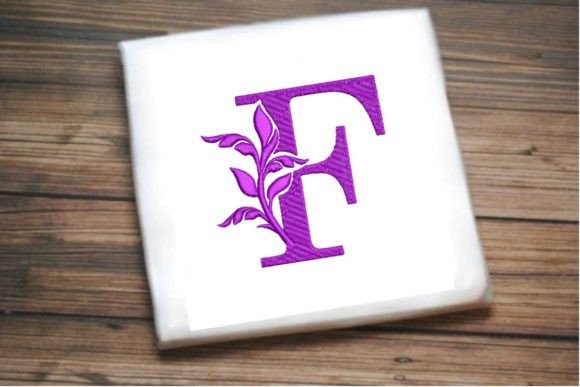
The title Letter F Beautiful Monogram suggests a design that balances simplicity with sophistication. In the world of embroidery file assets, names can be misleading, but the promise of "fun and easy" combined with "elegant and gorgeous" sets a specific mood. This isn't just a basic block letter; it implies a style that could easily transition from a rustic farmhouse aesthetic to a sleek, modern boutique look. For a Wedding Monogram category, the elegance factor is crucial, but as a general craft fair product, versatility is king. I imagine this design sitting perfectly on a white tea towel or standing out boldly against a denim tote bag. It feels premium enough to command a higher price point while remaining approachable for the mass market of handmade lovers.
Product Potential: Where It Shines
When preparing a table display for a weekend market, you need items that catch the eye from across the aisle. Let's evaluate where Letter F Beautiful Monogram would stand out the most.
- Tote Bags and Market Bags: This is arguably the highest volume seller. A large, centered monogram on a canvas tote creates an immediate focal point. Customers love personalization, and seeing their initial (or a friend's) stitched onto a durable bag creates an instant emotional connection. The design's ease of stitching means you can batch produce these quickly without frustration.
- Apron Embroidery: For the home cook or baker demographic, an apron featuring Letter F Beautiful Monogram adds a touch of class to a utilitarian item. It transforms a standard kitchen tool into a giftable piece of art. The contrast between the fabric texture and the smooth stitches will make it pop under bright booth lights.
- Tea Towel Embroidery: These are classic impulse buys. Because towels are flat and stable, the design should render beautifully here. If the design includes fine details, they will remain crisp on cotton percale, making it a perfect addition to your small shop product line.
- Caps and Patches: While caps present a challenge due to curvature, a well-executed monogram can look fantastic on a structured baseball cap. Alternatively, using this design to create an embroidered patch offers incredible flexibility. You can sew the patch onto beanies, jackets, or bags, giving customers variety without needing multiple hoops.
- Pillow Covers and Home Decor: For a higher-ticket item, incorporating the monogram into a pillow cover elevates the perceived value. It signals a custom, bespoke feel that buyers are willing to pay a premium for.
Production Practicality and Visual Appeal
From a business perspective, efficiency is everything. The description notes that this design is "fun and easy to stitch," which is music to a designer's ears. If the stitch density is balanced, you won't face hours of machine time per unit. This allows you to focus on finishing touches like trimming threads and adding labels, which ultimately drives customer satisfaction.
Photography is the lifeblood of an Etsy seller or digital storefront. A design that is too intricate might get lost in a small thumbnail image, but if Letter F Beautiful Monogram has clean lines and a clear silhouette, it will translate perfectly into a printable mockup. Customers need to see the texture of the thread and the depth of the embroidery. A design that looks good in person but fails to photograph well is a missed opportunity. This monogram appears to strike the right balance, offering enough detail to show quality but enough simplicity to remain legible even in a quick scroll through a feed.
For batch production, repeatability is key. If the design requires constant re-hooping or complex color changes that slow down the workflow, it becomes less profitable. An "easy to stitch" rating suggests that once you set up your stabilizer and thread colors correctly, you can run off a stack of identical items with minimal downtime. This consistency builds brand trust; customers expect every item they buy to look exactly like the photo.
Careful Use Notes and Technical Considerations
However, no design is perfect without testing. Before committing to a full production run for your next craft fair, there are several technical factors to consider. Even if a design claims to be easy, real-world variables can change the outcome.
- Fabric Texture and Thickness: While the description says it works on "any fabric," textured towels or thick denim can sometimes distort smaller details. Always test on scrap fabric first to ensure the stitches lay flat and don't pucker the material.
- Small Lettering and Details: If the "F" includes serifs or delicate flourishes, check if they hold up when stitched on a curved surface like a cap or a small pouch. Tiny details can sometimes get lost or merge together if the hoop size is too small or the tension is off.
- Thread Contrast: On dark fabrics, light threads may not show up clearly, and vice versa. Ensure you have a range of thread colors ready to match different inventory pieces. A gold thread on black might look stunning, but it requires a specific setup to avoid visible gaps.
- Hoop Size and Stability: Confirm the recommended hoop size for this file. Using a hoop that is too small for the design can lead to misalignment or distortion. Conversely, a hoop that is too large might be unwieldy for smaller items like patches.
Designer's Checklist for Success
To maximize the selling potential of Letter F Beautiful Monogram, I recommend following this professional workflow before hitting the road to sell:
- Test on Scrap Fabric: Never skip this step. Stitch the design on a scrap of the actual fabric you plan to use. Check for puckering, bird nesting, or loose threads.
- Review Spacing and Placement: Mark your placement carefully. A monogram that is off-center ruins the symmetry and lowers the perceived quality of the finished product.
- Inspect Stitch Density: Look closely at the fill areas. Are they too dense, causing the fabric to stiffen? Or too sparse, leaving gaps? Adjust your settings if necessary.
- Create Real Mockups: Don't rely solely on digital renders. Create at least one physical sample to photograph. Real lighting reveals the true texture of the thread and the quality of the finish.
- Confirm Commercial Licensing: Before selling finished products, double-check the license terms associated with the digital embroidery file. Some licenses allow personal use only, while others permit commercial sales. Ensuring you have the right permissions protects your business.
Final Thoughts for the Creative Entrepreneur
In the competitive landscape of handmade goods, the right design can be the spark that ignites your sales. Letter F Beautiful Monogram promises to be a versatile asset for any commercial embroidery operation. Whether you are decorating outfits, home decor, or creating unique gifts, its blend of elegance and ease makes it a strong contender for your booth display. By paying attention to the technical nuances—fabric choice, stabilizer usage, and thread selection—you can turn this digital file into a tangible, high-value product that customers will cherish. Remember, the best handmade product is one that combines artistic vision with practical execution. With careful preparation, this monogram is poised to become a standout item in your collection.