Pan Kitchen Embroidery Review for Boutique Apparel
As an experienced embroidery designer, I am constantly on the lookout for machine embroidery designs that can elevate a small clothing brand or handmade product line. When browsing Creative Fabrica embroidery collections, finding a design with the right balance of charm and professionalism is key. Today, I am reviewing the Pan Kitchen design to see if it fits into my upcoming collection of boutique apparel and sweatshirt projects. This review focuses on how this unique cooking design performs in real-world applications, from oversized hoodies to custom tote bags.
First Impressions: Visual Personality and Mood
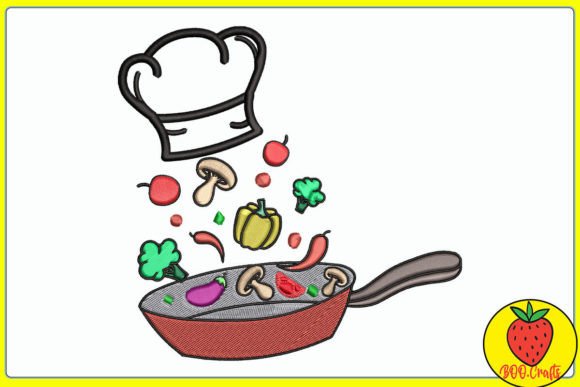
The moment you open the Pan Kitchen file, the visual personality shines through. It feels vibrant and playful, yet retains a level of detail that suggests a premium finish. For a designer planning a lifestyle brand, this design strikes a perfect chord between rustic charm and modern kitchen aesthetics. The stitching mood appears to be casual but polished, making it suitable for a wide range of demographics.
I immediately envision this design as a statement piece on neutral sweatshirts or pastel hoodies. The unique cooking theme offers a great opportunity for brand identity, especially for businesses focused on food, home goods, or culinary arts. Whether you are creating a boutique brand or selling handmade products on Etsy, the Pan Kitchen design adds a touch of personality that generic logos often lack. It feels trendy enough for social media graphics but classic enough to remain relevant in a seasonal outfit collection.
Application on Sweatshirts and Hoodies
Sweatshirt embroidery requires careful consideration of fabric texture and stitch density. The Pan Kitchen design looks particularly effective on chest placement for hoodies. On a dark garment, using contrasting thread colors could make the design pop, while on a light-colored fleece, a tonal thread choice might offer a subtle, sophisticated look. I also considered using this as a back design for oversized garments, where the larger canvas allows the details of the pan and kitchen elements to breathe without feeling cramped.
For sleeve accents, this design works well as a small, repeated motif. However, when placing embroidery on stretchy fabric like ribbed cuffs or collars, one must be cautious. The design's decorative strength is high, so ensuring the stabilizer is adequate is crucial to prevent puckering. If used on a denim jacket, the sturdy nature of the fabric would support the design beautifully, adding a custom flair to a vintage-style piece. For a cozy seasonal outfit, perhaps paired with a winter scarf or apron, the warm tones of the design would complement the overall aesthetic perfectly.
T-Shirt and Tote Bag Versatility
Beyond heavy knitwear, the Pan Kitchen file is versatile enough for t-shirt embroidery and tote bag designs. On cotton tees, the design can serve as a fun graphic element for an Etsy seller looking to create merchandise for food festivals or local markets. The clean lines of the embroidery file translate well to canvas tote bags, making them ideal for promotional items or gift sets.
When preparing these items for a digital storefront, the design serves as an excellent asset for printable mockups. High-quality images of the finished product can boost customer engagement and help buyers visualize the final result. For commercial embroidery projects, having a reliable design like this ensures visual consistency across your entire inventory, which builds buyer trust and professional presentation.
Strategic Placement and Limitations
While the Pan Kitchen design is robust, there are areas where it requires careful execution. Small chest placements on fitted shirts may feel crowded if the design is too large relative to the wearer's frame. Designers should test the scale before committing to a full production run. Additionally, dense stitch areas within the design need proper backing to maintain their shape, especially on thin fabrics that might distort under pressure.
Fleece and other textured fabrics present unique challenges. The needle penetration required for a detailed cooking design might cause the pile of the fleece to shift, leading to a slightly uneven appearance. Curved surfaces, such as the rounded body of a baseball cap or the shoulder seam of a hoodie, require precise hooping techniques to avoid distortion. Tiny lettering, if included in the design, must be legible; otherwise, it may blur during the embroidery process. Always inspect the stitch density to ensure the design does not become too stiff or heavy for the intended garment.
Impact on Brand Value and Product Recognition
In the competitive world of custom apparel, the quality of your embroidery directly affects perceived value. A well-executed Pan Kitchen design signals attention to detail and care in craftsmanship. This elevates the perceived worth of the finished product, allowing you to price your items appropriately. Consistent use of high-quality designs helps establish a recognizable style for your shop, making your products stand out in search results and social feeds.
For digital sellers and creative entrepreneurs, this design is a valuable asset for expanding your catalog. By integrating it into various product categories—from aprons to hats—you can create cohesive collections that appeal to a specific niche audience. The versatility of the design allows for cross-promotion, where a single image can be adapted for different marketing channels, maximizing your reach without compromising on quality.
Practical Designer Notes for Production
Before moving forward with mass production, every professional designer should follow a rigorous testing protocol. Start by testing the Pan Kitchen design on scrap fabric that matches your target garment material. This step is vital to check how the threads interact with the fabric texture and to ensure the hoop size accommodates the design without cutting off any critical elements.
Review your thread color contrast carefully. Vibrant colors work best for bold statements, while muted tones suit a more understated look. Confirm the stabilizer choice based on the weight of the fabric; heavier stabilizers are often needed for sweatshirts to provide support. Inspect the stitch density to ensure the design is not overly packed, which could lead to thread breaks or fabric damage.
Finally, always compare placement options to find the most flattering position on the garment. Check the Creative Fabrica product details and licensing terms thoroughly before selling finished apparel. Understanding the usage rights ensures you are compliant with all regulations and protects your business. While specific file formats and stitch counts vary, confirming these technical details with the creator is essential for a smooth workflow.
The Pan Kitchen design proves to be a strong candidate for anyone looking to add a touch of culinary charm to their custom apparel. With thoughtful execution and proper preparation, it can become a staple in your collection of handmade products and digital embroidery files.