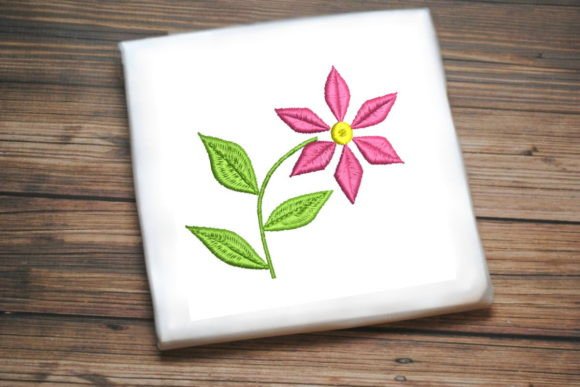
Pink One Line Flower Embroidery Review
As a designer who spends half her life staring at stitch charts and the other half agonizing over thread color choices, I approach every new embroidery file with a mix of excitement and skepticism. The market is flooded with designs that look beautiful in digital previews but fall apart when the needle hits the fabric. That is why I took Pink One Line Flower for a real-world test run before recommending it to my network of Etsy sellers, boutique owners, and fellow crafters.
This piece belongs to the Single Flowers category within the broader world of Embroidery. At first glance, it promises simplicity—a single-line aesthetic that suggests elegance without clutter. But does it hold up under the scrutiny of actual production? Let’s dive into how this machine embroidery design performs in practical applications, from custom gifts to commercial merchandise.
The First Impression: Mood and Visual Personality
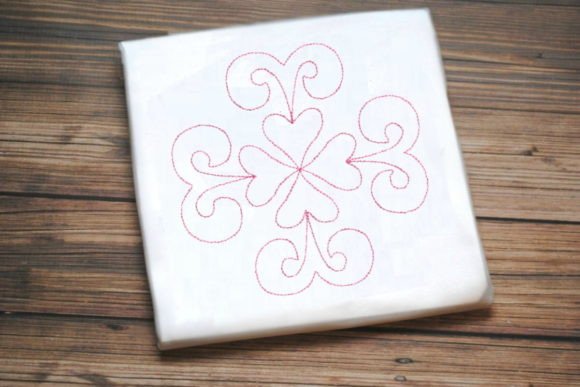
When you load Pink One Line Flower into your digitizing software, the immediate takeaway is its clean, minimalist vibe. It doesn’t scream for attention; instead, it whispers sophistication. The "one line" concept translates well into embroidery through the use of fine running stitch or delicate satin stitch outlines, creating a sketch-like appearance that feels modern and airy.
This visual personality makes it incredibly versatile. It isn’t just a flower; it’s a mood board come to life. It evokes feelings of spring, renewal, and gentle femininity. For designers looking to create products that feel curated rather than mass-produced, this design offers that "hand-crafted" aesthetic that customers love. It avoids the heavy, dense look of older floral motifs, opting instead for negative space and lightness. This is crucial for today’s market, where buyers often gravitate toward subtle, wearable art over loud, graphic prints.
Real-World Application: From Sketch to Stitch
I wanted to see how this design would translate across different mediums, so I simulated several common embroidery project scenarios. Here is how Pink One Line Flower behaves in specific contexts:
- Custom Apparel and Sweatshirts: On a soft cotton sweatshirt, this design shines. The lightness of the lines prevents the garment from feeling weighed down by thick layers of thread. It works beautifully as a small chest logo or a centered back print. For sweatshirt embroidery, it adds a touch of refinement that elevates a basic hoodie into a high-end streetwear piece.
- Tote Bags and Canvas Goods: A tote bag design needs to be durable yet stylish. Because Pink One Line Flower relies on open spaces, it allows the texture of the canvas to show through, integrating the embroidery into the fabric rather than sitting on top of it. It pairs exceptionally well with neutral tones like beige, cream, or olive green canvas.
- Baby Items and Nursery Decor: In the realm of baby embroidery, safety and softness are paramount. This design is perfect for muslin blankets, burp cloths, or onesies. The single-line style means fewer bulk points, making it comfortable against sensitive skin. It also fits seamlessly into nursery themes, adding a whimsical yet elegant touch to wall hangings or pillow covers.
- Kitchen and Home Textiles: Don’t overlook utility items. On tea towels or aprons, this floral motif brings a farmhouse-chic energy. It transforms a simple kitchen towel into a thoughtful personalized gift for housewarmings or weddings. The elegance of the design ensures it looks good even after multiple washes, provided the correct stabilizer is used.
Where Caution Is Required
No design is universal, and Pink One Line Flower has its limitations. As an experienced reviewer, I must highlight where this design might struggle if not handled with care.
First, consider the hoop size. While the design is likely compact, attempting to stitch it on very small items like embroidered patches for backpacks requires precision. If the details are too fine, they may merge together on tiny surfaces. Always check the minimum recommended dimensions before cutting fabric.
Second, fabric choice is critical. This design relies on contrast and clarity. On dark fabrics, the pink threads need to be vibrant enough to stand out. On textured fabrics like terry cloth or heavy denim, the fine lines might get lost or distort. Thin or stretchy fabrics can also pose challenges; without proper stabilizer support, the delicate lines may pucker or shift during stitching.
Additionally, avoid placing this design on curved surfaces like baseball caps unless you have significant experience with cap hoops. The tension required to keep flat fabric taut can distort the delicate one-line structure. Similarly, while it looks great as a decorative accent, it may not provide enough visual weight for large-scale branding on corporate uniforms where durability and bold visibility are key.
Impact on Product Value and Brand Consistency
For small business owners and craft business entrepreneurs, the aesthetic quality of your product directly impacts perceived value. Using a clean, well-executed design like Pink One Line Flower signals professionalism. It tells the customer that you care about detail and quality.
When you create printable mockups or digital product previews for your online store, this design photographs beautifully. Its simplicity allows it to shine in both color and black-and-white formats, giving you flexibility in your marketing materials. It enhances brand consistency because its minimalist nature complements a wide range of typography and packaging styles.
Furthermore, the "giftability" factor is high. Customers are more likely to purchase a finished product featuring this design as a present because it feels personal and artistic rather than generic. It bridges the gap between hobbyist charm and boutique polish, which is essential for Etsy sellers competing in crowded markets.
Practical Designer Notes for Best Results
Before you start producing batches of handmade products, follow these practical steps to ensure success:
- Test on Scrap Fabric: Never go straight to your final material. Test the embroidery file on scraps of the same fabric type to check for puckering or thread breaks.
- Check Thread Contrast: Ensure your chosen thread colors provide enough contrast against the fabric. Light pinks on white may require a slightly darker shade or a backing stabilizer to pop.
- Review Stitch Density: Examine the digitization for any overly dense areas. While this design is light, ensuring balanced density prevents hoop marks and maintains fabric integrity.
- Inspect Small Details: Zoom in on the digital preview. Are there any tiny isolated stitches that might break easily? If so, consider simplifying the design in your software.
- Confirm Licensing: If you plan to sell finished items, verify the license terms. Some commercial embroidery licenses differ from personal use rights. Make sure you are compliant before listing your small shop product.
- Use Proper Stabilizer: Choose a cut-away or tear-away stabilizer appropriate for your fabric weight to support those delicate lines.
In conclusion, Pink One Line Flower is a strong addition to any designer’s library. It offers elegance, versatility, and a modern aesthetic that resonates with contemporary buyers. By understanding its strengths and respecting its limitations, you can transform this simple floral motif into a standout feature for your next finished product. Whether you are creating a personalized gift or scaling up your digital embroidery file sales, this design provides a reliable foundation for creative success.