Reviewing People: A Designer's Take on This Embroidery Design
When I first opened the file for People, my immediate reaction wasn't about the technical specs or the stitch count. It was about the mood. There is a distinct warmth to this design that feels less like a generic clipart and more like a genuine invitation to connect. As someone who spends hours testing digital assets before they hit the market, I look for that specific spark—the moment where a design stops being just a pattern and starts feeling like a story. This creative embroidery design delivers exactly that. It adds a cozy and artistic feel to any fabric, but does it hold up under the pressure of a real client project? Let's dive into how People performs when we move from the screen to the hoop.
The First Stitch: Visual Personality and Layout
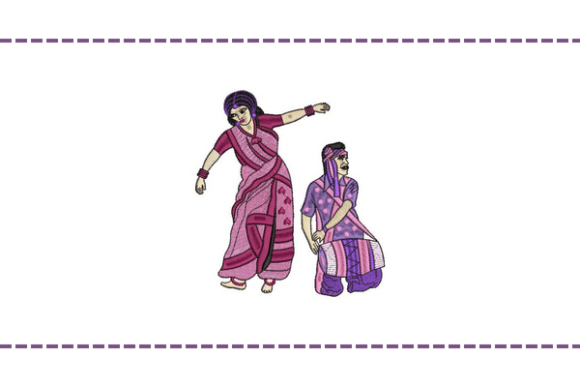
The layout of People strikes a balance between whimsy and structure. In the world of machine embroidery design, getting the spacing right is half the battle. If the elements are too crowded, the satin stitches will fight each other; if they are too sparse, the design looks lost. People manages to occupy space confidently without feeling cluttered. The visual personality suggests a focus on connection, making it an ideal candidate for the Family category, yet its versatility extends far beyond traditional holiday cards.
I found myself imagining this design not just as a static image, but as a tactile experience. The lines appear clean enough to translate well into running stitches for outlines, while the central figures likely utilize fill stitches to create depth. For the craft business owner, this distinction matters. A design that relies too heavily on tiny details often gets lost in the stitching process, especially on textured fabrics. People seems to have enough substance to stand out even on a heavy cotton canvas or a soft fleece sweatshirt. It has a friendly, approachable vibe that invites the viewer to get closer, which is exactly what you want in a finished product.
Real-World Application: From Tote Bags to Nursery Decor
To truly understand the potential of People, I put it through a mental simulation of a busy production week. Imagine you are an Etsy seller preparing a batch of custom embroidered tote bags for a local artisan fair. You need something that screams "community" and "handmade" without looking dated. This embroidery file fits that niche perfectly. On a sturdy canvas tote, the design would pop, creating a focal point that elevates the item from a simple bag to a statement piece. The artistic feel translates beautifully here, turning a functional item into a keepsake.
But let's look at another scenario: personalized gifts for a new parent. Baby clothes require designs that are gentle, safe, and visually soothing. People offers a cozy aesthetic that works wonderfully on baby bodysuits or nursery wall hangings. When customers receive a gift with a design that conveys warmth and unity, their trust in your brand grows. They aren't just buying a shirt; they are buying a sentiment. This design supports that emotional connection effectively.
I also considered its application on home decor. Decorative pillows and bed sheets are high-visibility items in a home. A design like People can serve as a subtle accent on a throw pillow or a bold centerpiece on a kitchen towel. The flexibility of the design allows it to adapt to various color palettes. Whether you choose thread colors that match a rustic farmhouse theme or bright, modern hues for a contemporary apartment, the underlying structure remains solid. It is a versatile asset for any small shop product line looking to expand into home goods.
Where Caution is Key: Fabric and Surface Limitations
While People is robust, no single design is a magic bullet for every situation. As an experienced designer, I always advise checking the constraints before committing to a full run. One area to watch closely is the hoop size. If the design includes intricate details in the corners or very fine lines, attempting to stitch it in a small hoop might result in distortion or loss of definition. Always verify the recommended dimensions against your machine's capabilities.
Fabric texture plays a massive role in the final outcome. While this design shines on stable materials like denim or medium-weight cotton, stretchy fabrics like jersey or thin silks can be tricky. Without proper stabilizer support, the tension of the stitches could cause the fabric to pucker, ruining the clean lines of the figures. Similarly, on dark fabrics, the contrast becomes critical. If the background is black and the thread choice isn't vibrant enough, the design might disappear. Testing a scrap piece of your actual fabric is non-negotiable to ensure the thread colors provide the necessary visibility.
Curved surfaces present another challenge. While People might look great flat on a pillow cover, applying it to a cap or a curved patch requires careful consideration of the curvature. Designs with sharp angles or dense stitch areas can sometimes struggle to conform smoothly to tight curves. If you plan to use this for custom apparel like caps, ensure the digitization accounts for the curve so the figures don't look warped after stitching.
Impact on Brand Value and Customer Perception
In the competitive landscape of handmade products and commercial embroidery projects, the quality of your design directly impacts your perceived value. A sloppy execution or a design that doesn't stitch cleanly can erode customer trust instantly. Conversely, a well-executed People design signals professionalism. It shows that you care about the details, from the stability of the fabric to the clarity of the stitches.
This design enhances the giftability of your products. When a buyer sees a finished product with a cohesive, artistic design, they are more likely to perceive it as a premium item. It creates a sense of recognition and brand consistency. If you are building a boutique branding identity, having a library of strong, thematic designs like this helps maintain a unified look across your entire collection. Whether it is for a printable mockup used in marketing or the actual finished product sold to a client, the visual appeal drives engagement.
Practical Designer Notes for Success
Before you start stitching up a storm, here are a few essential steps to ensure your project succeeds. First, test the design on scrap fabric. This is the golden rule of embroidery. Check the stitch density to see if the fill stitches are too thick for the fabric weight you are using. Review the thread colors against both light and dark backgrounds to confirm contrast. If the design includes small lettering or tiny accents, inspect them closely under good lighting to ensure they haven't become blobs of thread.
Don't forget to check the licensing terms. If you are planning to sell finished items made with this digital embroidery file, confirm that your license permits commercial use. Many designers offer personal licenses only, so verifying this protects your small shop from legal issues. Also, consider the washability of the final product. Dense stitch areas can sometimes trap lint or wear down faster if not stitched correctly, so ensure you are using the right stabilizer to support the design during the washing process.
Ultimately, People is more than just a collection of stitches; it is a tool for expression. It brings a human element to your craft business, allowing you to create meaningful connections through your work. By understanding its strengths and respecting its limitations, you can transform this embroidery file into a standout product that resonates with your audience. Whether you are a hobbyist making a one-off gift or a seasoned entrepreneur scaling your production, this design offers a solid foundation for creativity.