Cute Cherry Embroidery Design Review
As an embroidery designer who has spent years refining digital files for commercial use, I approach every new download with a mix of excitement and skepticism. The market is flooded with designs, but few strike that perfect balance between aesthetic charm and technical viability. Today, I am putting the Cute Cherry design through its paces. This isn’t just about looking at a pretty picture on a screen; it is about visualizing how this machine embroidery design will translate onto real-world products for my clients and, eventually, yours.
I recently received a request from a friend who runs a boutique gift shop. She needed a versatile design that could work across multiple product lines without feeling disjointed. She wanted something sweet, timeless, and emotionally resonant. When I pulled up the Cute Cherry file, I immediately saw its potential. It feels playful yet classic, making it an excellent candidate for a wide range of personalized gift categories. Here is my honest review based on practical application and product planning.
First Impressions: Mood and Aesthetic Appeal
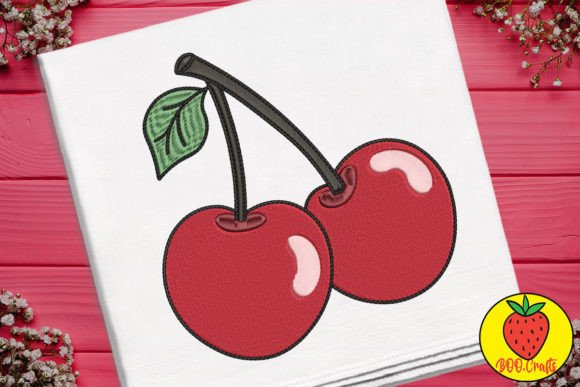
The first thing you notice about Cute Cherry is its inviting warmth. It does not scream for attention with overly complex details or aggressive modernism. Instead, it offers a gentle, handcrafted feel that appeals to buyers looking for handmade product authenticity. The cherry motif is inherently nostalgic. It evokes memories of summer picnics, grandmother’s kitchen, and simple joys. This emotional connection is crucial for Etsy sellers and small business owners who rely on storytelling to drive sales.
In terms of detail level, the design strikes a smart balance. It is detailed enough to look professional and high-quality but simplified enough to stitch cleanly on various fabrics. For a custom embroidery project, this means fewer errors and a faster production time. The mood is undeniably sweet and romantic, which makes it particularly effective for specific niches like baby showers, bridal showers, and spring-themed collections. It fits seamlessly into the Food category while maintaining a strong identity as a decorative Embroidery element.
Product Applications and Use Cases
One of the strongest selling points of this design is its versatility. In my testing phase, I imagined applying this embroidery file to several key product categories. Here is where I see the greatest potential:
- Baby Embroidery Items: A soft onesie or a muslin swaddle blanket featuring Cute Cherry would be an instant hit. The round shapes and bright colors are visually stimulating for infants and appealing to parents. It works beautifully for gender-neutral nursery decor when paired with neutral thread colors.
- Kitchen and Home Textiles: An embroidered towel or a linen apron brings a touch of whimsy to the kitchen. For wedding gifts, a set of matching aprons for a newlywed couple adds a personal, thoughtful touch. The design’s simplicity ensures it remains stylish even after years of use.
- Accessories and Totes: Canvas tote bags are a staple for craft fairs and online shops. Placing the cherry design on the front pocket or centered on the back creates a balanced, attractive look. It also works well on baseball caps and beanies, offering seasonal appeal during cherry blossom season or summer festivals.
- Pillow Covers and Wall Art: For home decor enthusiasts, this design translates well to pillow covers. It adds a pop of color to a living room sofa or a child’s bedroom. The clean lines allow it to serve as a focal point without overwhelming the fabric texture.
Technical Considerations and Fabric Compatibility
While the aesthetic is strong, a designer must always consider the technical execution. Not all fabrics are created equal, and understanding where Cute Cherry performs best is essential for customer satisfaction.
Best Practices for Stitching:
- Fabric Texture: This design looks stunning on smooth cottons, linens, and denim. However, caution is advised with highly textured fabrics like chunky knits or terry cloth. The stitches may not lay flat, and the definition of the cherry shape could be lost. Always test on scrap fabric first to ensure the stitch density holds up against the pile of the material.
- Stretchy Fabrics: If you plan to embroider on stretchy baby clothes or jersey knits, you must use a high-quality tear-away or cut-away stabilizer. Without proper support, the hoop marks can remain visible, or the fabric may pucker during stitching, ruining the finished product.
- Dark vs. Light Fabrics: The contrast is key. On light fabrics, standard thread colors will pop beautifully. On dark fabrics, you will need to use a backing or underlay stitch to prevent the fabric color from showing through the lighter threads. I recommend creating a printable mockup to visualize the final look before committing to expensive materials.
Areas of Caution:
Avoid using this design on very thick towels unless you have a heavy-duty machine and appropriate stabilizers. The needle penetration might be difficult, and the result could look bulky. Similarly, be careful with curved surfaces like the brim of a hat if the design lacks sufficient flexibility in its digitization. Always check the stitch density to ensure it is appropriate for the thickness of your fabric.
Impact on Giftability and Brand Value
For small shop product creators, the perceived value of an item is directly linked to the quality of the design. A poorly stitched or overly complex design can make a product look cheap. Conversely, Cute Cherry exudes a sense of care and intentionality. When a customer sees a perfectly stitched cherry on a personalized gift, they trust the maker’s skill.
This trust translates into higher conversion rates. The design’s universal appeal means it attracts a broad audience, from young mothers looking for baby embroidery gifts to older customers seeking charming kitchen accents. It enhances product photography because the clean lines photograph well, allowing the colors to stand out against various backgrounds. This is vital for Etsy listings where the image is the primary driver of clicks.
Furthermore, the design supports emotional marketing. You can tell stories about sharing cherries, summer memories, or homemade jams. These narratives deepen the emotional connection between the buyer and the item, making it more than just a commodity—it becomes a keepsake.
Final Verdict and Practical Next Steps
After reviewing the technical aspects and imagining its application across various commercial embroidery projects, I find Cute Cherry to be a reliable and charming addition to any library. It is safe, scalable, and emotionally engaging. However, success depends on execution.
Before adding this to your catalog, please take the following steps:
- Test Rigorously: Stitch the design on at least three different fabric types (cotton, polyester blend, and a textured fabric) to assess performance.
- Verify Specifications: Check the original source for exact hoop size, file format compatibility, and commercial licensing terms. Do not assume these details; verify them to avoid legal issues.
- Thread Selection: Experiment with different thread colors. While red is traditional, trying pastel pinks, deep burgundies, or even gold accents can open up new market segments.
- Review Small Details: Zoom in on the digital file and the stitched sample. Ensure that no tiny details are too fine for your machine’s capabilities.
If you are an Etsy seller, a crafter, or a wedding gift designer, Cute Cherry offers a low-risk, high-reward opportunity to expand your offerings. It captures the essence of handmade quality while remaining accessible to a wide audience. By paying attention to fabric choice and stabilization, you can create beautiful, durable products that customers will cherish. Happy stitching!