Cute Red Tomato Embroidery Review
As an experienced embroidery designer who spends weekends navigating the hustle of craft fairs and handmade markets, I have learned that the difference between a design that sits on a shelf and one that sells out by noon often comes down to visual impact and practical application. When I first encountered the Cute Red Tomato machine embroidery design, my immediate reaction was one of strong potential for seasonal retail success. This is not just a decorative file; it is a versatile asset that speaks directly to the farmhouse aesthetic, garden-to-table trends, and the cozy, rustic charm that dominates current consumer preferences in the handmade sector.
The title alone suggests a playful yet grounded vibe. For sellers specializing in kitchen goods, apparel, or home decor, understanding how a single motif translates across various mediums is crucial. Below is my professional review of Cute Red Tomato, evaluated through the lens of production viability, customer appeal, and booth display strategy.
First Impressions and Visual Appeal
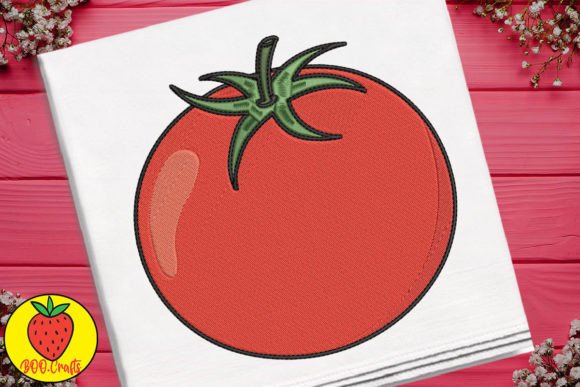
The Cute Red Tomato design strikes a balance between boldness and approachability. In the crowded landscape of digital embroidery files, designs that are too intricate often lose their charm when stitched at small sizes, while overly simple designs can feel cheap. This tomato design appears to hit the sweet spot. It feels fresh, vibrant, and instantly recognizable. The red hue, assuming high-quality thread usage, will pop against neutral backgrounds like cream canvas, white aprons, or natural linen tea towels.
From a branding perspective, this design aligns perfectly with the "farmhouse chic" movement. It evokes feelings of summer gardens, farmers' markets, and homemade preserves. For the Etsy seller or boutique maker, this imagery carries an emotional weight that resonates with buyers looking for warmth and authenticity in their purchases. It is not merely a vegetable; it is a symbol of wholesome living, which adds perceived value to the finished product.
Product Versatility: Where Does It Shine?
One of the most critical factors for a successful craft fair product is versatility. A design that only works on one item limits your inventory options. The Cute Red Tomato embroidery file excels in its adaptability. Here is how it performs across key product categories:
- Apron Embroidery: This is perhaps the strongest use case. Placing the tomato on the bib or pocket of a denim or striped apron creates an instant bestseller. The round shape of the tomato complements the structured lines of an apron beautifully.
- Tea Towel Embroidery: Kitchen textiles are impulse-buy staples at markets. A centered or corner-placed tomato design on a flour sack towel offers a classic look. Ensure you check the stitch density to prevent puckering on thin cotton fabrics.
- Tote Bag Design: Canvas tote bags are ubiquitous. A single tomato embroidered near the handle or centered on the front provides a clean, modern look. It pairs well with other botanical elements if you plan to expand the collection later.
- Embroidered Patch: Creating a standalone patch allows customers to attach the design to jackets, backpacks, or hats. This increases the utility of the design and appeals to a younger demographic interested in customization.
- Caps and Hats: The curved surface of a cap can be tricky. Test the hoop size and stabilization carefully here. A smaller version of the tomato works best on the front panel of a baseball cap or a slouchy beanie.
- Pillow Covers and Pouches: For home decor, the design adds a touch of color to throw pillows. Small fabric pouches for holding knitting supplies or makeup also benefit from this cute motif.
Production Practicality and Quality Control
Before committing to mass production for a weekend market, a professional designer must evaluate the technical aspects of the digital embroidery file. While the visual appeal is high, execution is everything.
Stitch Density and Detail: You must inspect the design for dense stitch areas. If the tomato has excessive satin stitching, it may become stiff and uncomfortable on garments like shirts. Conversely, if it relies heavily on tiny details, those details may disappear when stitched on textured fabrics like heavy canvas or waffle-weave towels. Always run a test stitch on scrap fabric that matches the texture of your final product.
Thread Colors and Contrast: The effectiveness of the Cute Red Tomato depends entirely on thread contrast. On dark fabrics, you will need a lighter underlay or a different color palette to ensure visibility. On light fabrics, ensure the red thread is rich enough to stand out without blending into shadows. Avoid using threads that are too close in tone to the fabric, as this reduces visual impact.
Stabilizer Selection: Proper stabilization is non-negotiable. For woven items like aprons and towels, cut-away stabilizer is often recommended to prevent distortion over time. For knits or stretchy materials used in caps, tear-away or water-soluble stabilizers might be more appropriate depending on the hoop stability. Incorrect stabilization leads to puckering, which kills the premium feel of a handmade product.
Photography and Online Listings
In the digital age, your booth display extends online. A printable mockup of the Cute Red Tomato design on various products can help you visualize the end result before cutting fabric. High-quality photos are essential for Etsy sellers and social media marketing. The bright red color photographs well, but be mindful of lighting to avoid washing out the details. Show the design in context—perhaps alongside fresh tomatoes or kitchen utensils—to tell a story that engages the buyer.
Selling Strategy and Customer Engagement
When displaying these items at a craft fair, grouping them creates a stronger visual statement. Instead of scattering a few aprons and some towels, create a cohesive "Kitchen & Garden" station. Use the Cute Red Tomato as a unifying theme. This helps customers imagine the design in their own homes, increasing conversion rates.
Consider offering personalization options where possible. While the base design is fixed, adding a name or date nearby can justify a higher price point. However, be cautious not to overcrowd the design. The strength of the tomato lies in its simplicity; cluttering it with text can dilute its charm.
For small shop product owners, batch production is key to profitability. Because the design is relatively straightforward, it should produce quickly once the hooping and threading process is streamlined. This efficiency allows you to build up inventory ahead of peak seasons like spring gardening months or holiday gifting periods.
Final Designer Notes
Before you start selling, remember to verify the commercial licensing terms associated with the embroidery file. Not all digital assets allow for resale of physical goods. Additionally, always confirm the recommended hoop size and file format compatibility with your specific machine to avoid technical headaches during production.
The Cute Red Tomato is a charming, commercially viable design that bridges the gap between cute decor and functional kitchenware. Its ability to work across multiple product types makes it a valuable addition to any commercial embroidery catalog. By paying attention to fabric selection, stabilization, and presentation, you can turn this simple motif into a standout item that drives sales and builds brand loyalty. Whether you are an Etsy seller looking to refresh your listings or a seasoned crafter aiming for a busy weekend market, this design deserves a place in your rotation.