Scatter Kindness Design Review for Small Business Merch
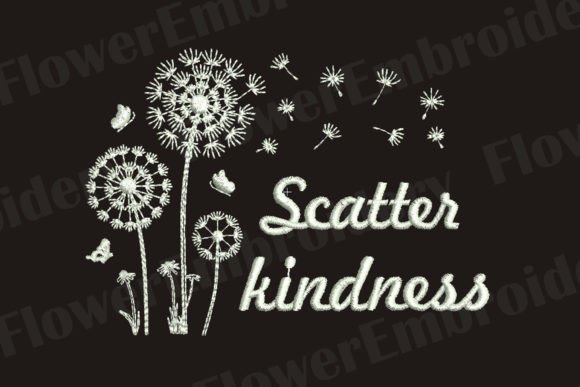
As an experienced embroidery designer who has spent years refining designs for commercial use, I often receive inquiries about how specific digital files translate into tangible brand assets. Today, I am reviewing the Scatter Kindness machine embroidery design. This piece falls under the Inspirational category and promises to help you scatter kindness onto every fabric. But beyond the poetic description, does this design hold up when applied to real-world small business merchandise? Can it serve as a professional embroidered patch, a subtle cap accent, or a standout element on custom aprons? In this review, I will evaluate the visual personality of Scatter Kindness, its suitability for various product types, and the critical technical considerations you must address before launching a branded collection.
The First Impression: Visual Personality and Brand Alignment
When you first look at the concept behind Scatter Kindness, the immediate feeling is one of warmth and approachability. The floral nature of the design suggests a blend of elegance and playfulness that fits perfectly with modern handmade brands. For a small business owner, whether you run a boutique, a creative studio, or a local bakery, the aesthetic needs to communicate trust and care. This design feels less corporate and more community-focused, making it an ideal choice for businesses that want to project a friendly, welcoming image.
The title itself acts as a call to action, encouraging customers to embrace positivity. When translated into thread, this translates to a design that can soften the visual identity of a uniform or add a touch of artisanal charm to a tote bag. It strikes a balance between being decorative enough to stand out as a focal point on a garment, yet simple enough to function as a subtle brand mark. Whether you are targeting Etsy sellers looking for unique branding assets or established shops expanding their product lines, the Scatter Kindness design offers a versatile emotional hook that resonates with buyers seeking authentic, human-centric products.
Real-World Application: From Patches to Product Labels
The true test of any embroidery file is its performance in production. Let us imagine a scenario where a local café or a florist wants to create branded merchandise. How would Scatter Kindness perform in these contexts?
- Embroidered Patches: This design has strong potential as a sew-on or iron-on patch. The floral elements provide enough detail to make the patch interesting without becoming cluttered. It works beautifully as a chest logo accent on denim jackets or as a standalone badge on backpacks. However, the success here depends heavily on the stitch density and the size of the final patch.
- Apron Embroidery: For bakeries, craft studios, or coffee shops, aprons are a primary canvas. Placing Scatter Kindness on the bib or pocket area adds a professional yet personal touch. It reinforces the idea that the staff cares about the customer experience, aligning the employee's attire with the brand's mission of spreading kindness.
- Tote Bag Design: A tote bag is a walking advertisement. Using this design on a canvas tote allows the floral motif to be large and impactful. It serves as a great "customer gift" item or a high-value add-on during checkout, increasing the perceived value of the purchase.
- Cap Embroidery: On caps, space is limited. If the design is scaled down correctly, it could work as a sleeve detail or a small front-center logo. However, curved surfaces like caps require careful digitizing to ensure the flowers do not distort.
- Product Packaging Accents: Consider using this design on tags attached to handmade soaps, candles, or clothing. A small embroidered label featuring Scatter Kindness elevates the unboxing experience, turning a simple transaction into a memorable moment.
Strategic Considerations and Potential Pitfalls
While the concept is beautiful, an experienced designer knows that execution is everything. There are specific areas where Scatter Kindness requires caution. You must avoid placing this design on items with extremely small surface areas, such as tiny keychains or very small wrist patches, as the floral details may become muddy or indistinguishable.
Curved surfaces present another challenge. While caps and sleeves offer great visibility, the curvature can stretch the stitches if the underlying digitizing is not optimized. If the design features detailed outlines or intricate lettering, ensure that the spacing is sufficient to prevent the threads from merging, especially on textured fabrics like heavy cotton or wool blends. Furthermore, consider the washing frequency. Items that undergo frequent industrial washing, such as restaurant uniforms or kitchen towels, need a robust stitch structure. High stitch density can sometimes cause puckering on lightweight fabrics, so testing is non-negotiable.
Dark uniforms also demand attention. Floral designs often rely on light colors to pop. If you are embroidering this on black or navy work shirts, you will need to select thread colors that provide high contrast, or utilize a high-density underlay to ensure the design stands out against the dark background. Without proper color selection, the "kindness" message might get lost in the fabric texture.
Impact on Brand Identity and Customer Trust
In the world of small business merch, visual consistency is key to building recognition. Using a cohesive design like Scatter Kindness across your product line—from your staff's work shirts to your retail packaging—creates a unified brand identity. It signals to the customer that you pay attention to detail and value quality.
This level of professionalism fosters customer trust. When a buyer sees a well-executed embroidered patch on a tote bag or a crisp logo on an apron, they perceive the brand as established and reliable. The handmade presentation of embroidery adds a layer of authenticity that mass-produced screen prints cannot match. This tactile connection enhances buyer engagement, making the product feel more special and worthy of a premium price point. By integrating this design thoughtfully, you are not just selling a product; you are selling a feeling of care and community.
Essential Designer Notes for Production
Before you commit to a full production run, there are several practical steps every designer and business owner should take. First, always test the design in black and white on your software to check the stitch flow and density. This helps identify potential issues with overlapping threads or gaps in coverage.
Check the hoop size requirements carefully. Ensure the design fits within the standard hoops available for your equipment, especially if you plan to produce large quantities. If the design is intended for a small patch, verify that the file resolution supports that scale without losing definition. Review the thread color contrast by creating a mockup or printing a printable mockup to see how the colors interact with your target fabric.
Inspect the spacing of the design elements. Crowded stitching can lead to a bulky finish, while wide spacing might look unfinished on certain materials. Confirm that you have the correct stabilizer for your fabric type; a stable foundation is crucial for preventing distortion on items like hats or bags. Always test on the actual fabric you intend to use, rather than relying solely on synthetic samples. Finally, compare the finished product beside other design assets in your portfolio to ensure it meets your quality standards.
Most importantly, confirm your commercial licensing terms. Just because you own the digital embroidery file does not automatically grant you the right to sell physical goods made from it. Verify that the license allows for commercial use, including the creation of embroidered patches and branded apparel. By following these rigorous steps, you ensure that Scatter Kindness becomes a valuable asset in your arsenal of design assets, ready to elevate your small business merchandise to the next level.