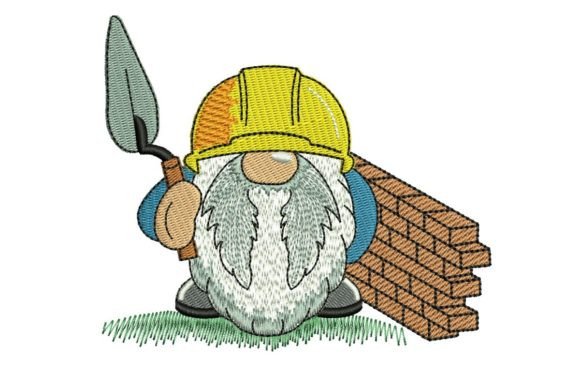
Bricklayer Gnome: A Designer's Review for Craft Fair Success
As an experienced embroidery designer who spends countless hours prepping for weekend craft fairs and handmade markets, I know that the difference between a stall full of unsold inventory and a booth with a waiting list often comes down to one thing: the design itself. When I first laid eyes on the Bricklayer Gnome, my immediate thought was not just about how cute it is, but how it would perform under the harsh lights of a vendor tent or in the crisp photos of an Etsy listing. This review breaks down why this machine embroidery design could be your next best-selling product.
The First Impression: Rustic Charm Meets Professional Polish
The moment you see the title and description of the Bricklayer Gnome, you get a clear sense of its personality. It feels bold yet approachable, perfectly capturing that farmhouse aesthetic that has dominated the handmade market for years. The description promises that it is fun and easy to stitch, which is music to any crafter's ears. But beyond the ease of production, the key phrase here is "elegant and gorgeous." In the world of commercial embroidery, elegance is what separates a cheap-looking souvenir from a premium gift item.
This design strikes a balance between being decorative and professional. It isn't just a simple icon; it has enough detail to hold the viewer's attention when they walk past your booth. Whether you view it as rustic, festive, or modern, the Bricklayer Gnome works because it tells a story immediately. It suggests craftsmanship, hard work, and a touch of whimsy. For an Etsy seller or boutique maker, this visual narrative is crucial. Customers don't just buy a tote bag; they buy the feeling of the design on it. The design assets included here are clearly intended to elevate the perceived value of whatever finished product you create.
Where Bricklayer Gnome Shines: Product Applications
When planning my display for a major craft fair, I evaluate every potential product based on where the design will stand out. The versatility of this embroidery file makes it a powerhouse for several categories. Let's look at how it translates to real-world items.
Tote Bags and Market Bags: These are the bread and butter of any handmade shop. A tote bag design needs to be durable and visible. The Bricklayer Gnome works beautifully here as a focal point on the front panel. Because it is described as elegant, it pairs well with canvas or denim, adding a sophisticated touch to a utilitarian item. It photographs exceptionally well, catching the light and drawing the eye from across the aisle.
Aprons and Tea Towels: For kitchen-focused sellers, this is a goldmine. An apron embroidery featuring this gnome creates an instant connection with home cooks who love quirky, high-quality decor. Similarly, a tea towel embroidery project allows the design to shine against the texture of linen or cotton. The contrast between the smooth stitches and the woven fabric adds depth that customers love to touch.
Caps and Embroidered Patches: If you sell accessories, the Bricklayer Gnome can be adapted for caps. However, this requires careful consideration of the curve. Alternatively, stitching it onto felt or stabilizer to create an embroidered patch offers endless possibilities. You can attach these to backpacks, jackets, or hats, turning a small design into a collectible item. Small pouches and pillow covers also benefit from this level of detail, making them perfect giftable handmade items.
Production Reality: Selling and Creating
From a business perspective, the Bricklayer Gnome excels in repeatability. One of the biggest challenges for digital sellers and physical makers alike is batch production. If a design takes too long to stitch, your profit margins shrink. The promise of being "easy to stitch" suggests that this design respects the hoop size and thread colors efficiently, allowing you to produce multiple units without burning out your machines or your patience.
Furthermore, the design's clarity is vital for online listings. When creating a printable mockup for your website, you need a design that remains sharp even in smaller thumbnail sizes. The Bricklayer Gnome appears to have enough definition to look good in both large format displays and tiny Instagram posts. This visual appeal directly impacts customer attention. A busy booth filled with generic designs gets overlooked; a booth with cohesive, high-quality pieces like this one stops people in their tracks.
Critical Considerations for Quality Control
While the potential is high, no professional embroidery designer ignores the practical limitations of the medium. Before turning the Bricklayer Gnome into a mass-produced small shop product, there are specific areas that require scrutiny.
Stitch Density and Tiny Details: Even if a design looks great on screen, dense stitch areas can sometimes cause puckering, especially on thinner fabrics. If the gnome features intricate brickwork or facial details, you must ensure those elements do not blur together. On textured towels or thick fabric, fine lines might disappear. Always inspect the stitch density to ensure the design retains its character.
Fabric and Thread Contrast: The description mentions it looks gorgeous on "any fabric," but in reality, color choice is everything. Dark fabrics require bright threads to make the design pop, while light fabrics need darker tones for definition. If you use low-contrast thread colors, the finished product may look muddy rather than elegant. Check your thread colors against your fabric swatches before committing to a full run.
Hoop Size and Curved Surfaces: Not all designs fit every hoop. If you plan to embroider this on a curved cap surface, the distortion can ruin the alignment. Ensure the design fits within the standard hoop size you are using. If the design is too large for a standard 4x4 hoop, you may need to split the design or use a larger hoop, which changes your production workflow.
The Designer's Checklist for Success
To guarantee that your commercial embroidery venture with the Bricklayer Gnome is successful, follow these essential steps. Do not skip the testing phase.
- Test on Scrap Fabric: Always stitch a sample on the exact fabric you intend to sell. This reveals how the material reacts to the needle and stabilizer.
- Check Stabilizer Choice: Using the wrong stabilizer can lead to poor registration or fabric warping. Choose a stabilizer that supports the weight of the design without being too bulky.
- Create Real Mockups: Don't rely solely on digital renders. Create at least one real mockup to photograph for your Etsy listings. Real photos build trust with buyers.
- Compare Fabric Colors: Test the design on white, black, and neutral tones to see which sells best in your niche.
- Confirm Licensing: Before selling finished products, double-check the commercial licensing terms of the digital embroidery file. Some licenses allow personal use only, while others permit selling up to a certain number of items.
By following these guidelines, you ensure that your handmade product maintains the highest standards of quality. The Bricklayer Gnome is more than just a cute image; it is a tool for building a brand. When stitched correctly, it enhances brand consistency and booth display strength. It signals to your customers that you care about the details, just as much as the bricklayer cares about his mortar.
Ultimately, the success of your craft fair booth depends on the items that catch the eye and the stories they tell. The Bricklayer Gnome offers a compelling narrative of hard work wrapped in whimsy. With the right execution, it can become a staple in your collection, driving sales for your tote bags, aprons, and gifts. As you prepare for your next event, consider how this design can add that extra layer of elegance and charm that turns browsers into buyers.