Number 1 Cute Hippo: A Designer's Review for Craft Fairs
As an experienced embroidery designer who spends weekends setting up booths and weekdays refining stitches, I know that the difference between a product that sits on a table and one that flies off it often comes down to the design itself. When I first laid eyes on Number 1 Cute Hippo, I immediately thought about how it would perform in a real-world market setting. This isn't just another digital file; it is a potential bestseller for any Etsy seller or boutique maker looking to add charm to their inventory.
The First Impression: Hand-Drawn Charm Meets Market Appeal
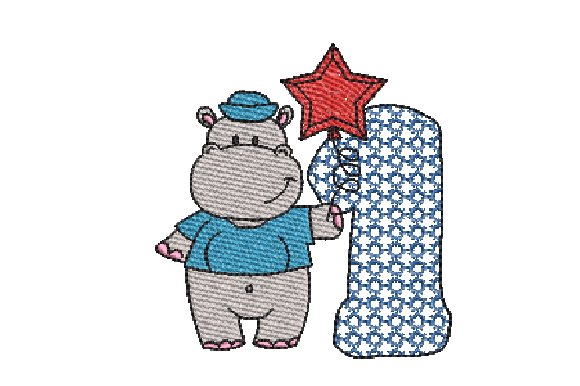
The description of Number 1 Cute Hippo as a sketch designed to look hand-drawn immediately caught my attention. In the world of machine embroidery, there is often a tension between technical perfection and artistic soul. This design leans heavily into the latter. The mention of being lightly filled with no or little underlay suggests a soft, airy aesthetic that feels modern and rustic all at once. It avoids the heavy, dense look that can sometimes make a garment feel stiff or dated.
For a craft fair product, this "hand-drawn" vibe is gold. Customers are drawn to items that look unique and artisanal. Number 1 Cute Hippo doesn't scream "mass-produced factory item." Instead, it whispers "handmade with love." Whether you are selling baby animals themed goods or general cute decor, this design has a playful energy that resonates with buyers looking for gifts. It feels soft, minimal, and undeniably cute, making it perfect for a booth display that aims to be warm and inviting.
Where Number 1 Cute Hippo Shines on Products
Imagine your table at a weekend market. You have tote bags, aprons, tea towels, patches, caps, small pouches, pillow covers, and market bags spread out. Where does Number 1 Cute Hippo stand out? Based on its quick stitch-out time and major impact, it excels as a focal point on specific items.
- Tote Bags and Market Bags: A single, centered hippo on a canvas tote creates an instant statement piece. Because the design is lightly filled, it won't weigh down the fabric, keeping the bag comfortable to carry while adding a splash of personality.
- Apron Embroidery and Tea Towel Embroidery: These are classic handmade products where a whimsical animal fits perfectly. On a kitchen towel, Number 1 Cute Hippo adds a touch of farmhouse charm without overwhelming the space. It works beautifully as a small accent or a larger focal design depending on your layout.
- Embroidered Patches and Caps: The clean lines of a hand-drawn style translate well to patches. If you are creating sew-on patches, this design will likely hold its shape well on denim jackets or beanies. For caps, the lighter fill ensures the fabric doesn't pucker on the curved surface.
- Pillow Covers and Small Pouches: For home decor and giftable handmade items, this design offers high visual appeal relative to the effort required. It photographs exceptionally well for online listings, which is crucial for an Etsy seller trying to compete in a crowded marketplace.
Practical Selling and Production Points
From a production standpoint, efficiency is key. The note that this design is "quick to stitch out with a major impact" is a huge selling point for commercial embroidery businesses. Time is money, and a design that delivers a premium look with less machine run-time allows you to increase your profit margins.
When photographing finished products for printable mockups or digital embroidery file showcases, Number 1 Cute Hippo should pop. Its sketch-like quality provides excellent contrast against various fabric textures. However, because it is not densely packed with stitches, it relies on good thread colors to define the shapes. You want the customer to see the detail clearly even from a distance at a busy craft fair.
This design also feels repeatable for batch production. If you are a small shop owner churning out stock for a holiday sale, the simplicity of the fill pattern means fewer errors and faster turnaround times. It is the kind of design asset that keeps your brand consistent while allowing for variety in your product line.
Important Considerations and Careful Use Notes
While the design is promising, every professional knows that success lies in the details. The instruction that resizing or altering the design is not recommended is critical. As a designer, I advise strictly adhering to the original dimensions. Shrinking a design like Number 1 Cute Hippo could cause tiny details to vanish or create a muddy mess when stitched.
You must consider the fabric texture and thickness. Dense stitch areas can sometimes struggle on thick fabrics, but since this design is lightly filled, it should handle a range of materials well. However, on dark fabric, you need to ensure your thread colors provide enough contrast. If the background is dark, a light-colored hippo might get lost unless you use a stabilizer that supports the fabric without showing through.
Small lettering or intricate details in the sketch might lose clarity if the hoop size is too small. Always inspect stitch density before running a full production batch. If the design looks too sparse on a test swatch, you may need to adjust the thread tension or choose a slightly denser thread weight, though the design files should ideally be balanced correctly.
Designer's Checklist for Success
Before you commit to producing these as a finished product for your next craft fair, follow these essential steps to ensure quality:
- Test on Scrap Fabric: Never skip this step. Stitch the design on a scrap of the exact fabric you plan to sell to check for puckering or distortion.
- Check Thread Contrast: Ensure the thread colors chosen make the hippo visible and appealing against the final product color.
- Review Spacing and Hoop Size: Confirm that the design fits within your standard hoop size without cutting off important elements.
- Inspect Stitch Density: Verify that the "little underlay" mentioned in the description results in a stable stitch without pulling the fabric.
- Use the Right Stabilizer: Lightly filled designs often require a cut-away stabilizer to maintain structure, especially on stretchy fabrics like t-shirts or caps.
- Create Real Mockups: Produce at least one real sample to photograph. Digital renderings are helpful, but customers want to see the actual texture of the stitches.
- Confirm Commercial Licensing: Before selling finished products, double-check the license terms for the digital embroidery file to ensure you are allowed to resell items made with Number 1 Cute Hippo.
Final Verdict for Your Booth
Number 1 Cute Hippo is more than just a cute image; it is a strategic tool for your handmade business. It balances ease of production with high perceived value. For a boutique maker or creative entrepreneur, this design offers a way to create engaging, giftable items that capture attention instantly. Whether you are hanging on a tote bag design or featured on a tea towel embroidery project, it brings a sense of joy and craftsmanship that customers love.
By following the careful-use notes and focusing on high-quality execution, you can turn this simple sketch into a standout product for your craft fair booth. It proves that sometimes, the simplest designs leave the biggest impression.