Decorative Elements: A Designer's Review for Small Business Merch
As a professional embroidery designer who has spent years crafting digital assets for commercial use, I often evaluate new files not just on their aesthetic appeal, but on their viability for real-world business applications. When I first encountered Decorative Elements, the description promising a "cozy and artistic feel" immediately caught my attention. For small business owners, Etsy sellers, and branded merch creators, finding a design that balances professionalism with a handmade charm is crucial. This review explores how this machine embroidery design fits into the ecosystem of custom apparel, embroidered patches, and product branding.
First Impressions: The Personality of Decorative Elements
The title Decorative Elements suggests versatility, while the description highlights its ability to add warmth to fabric. In the context of brand identity, this design feels friendly yet elegant. It does not scream corporate rigidity; instead, it whispers creativity. For a boutique, a local bakery, or a creative studio, this visual personality is a significant asset. It bridges the gap between mass-produced items and truly handmade products.
When evaluating any embroidery file for commercial purposes, the initial vibe determines its potential audience. This design appears to offer a rustic or modern-artistic look that works well for brands wanting to establish trust through craftsmanship. Whether used as a subtle accent on a tote bag design or a focal point on an apron, the "cozy" descriptor implies it will resonate with customers who value artisanal quality over industrial perfection.
Real-World Applications for Small Business Merch
The true test of any digital embroidery file lies in its application across various merchandise categories. Here is how Decorative Elements could perform in specific business scenarios:
- Embroidered Patches: One of the most popular uses for high-quality designs is creating sew-on or iron-on patches. If the stitch density is manageable, this design could serve as a premium logo accent for staff uniforms or a collectible item sold alongside main products. It adds a tactile element that customers love to touch and wear.
- Staff Uniforms and Aprons: For cafes, florists, or pet brands, consistent branding on workwear is essential. Placing Decorative Elements on the chest of a work shirt or centered on the bib of an apron embroidery project can elevate the perceived value of the service. It signals that the business cares about details.
- Cap Embroidery: Caps are walking billboards for small businesses. While curved surfaces present challenges, a well-balanced design like this can sit perfectly on the front panel of a cap, offering a stylish alternative to standard block logos.
- Tote Bag Design: Tote bags are perhaps the most effective free marketing tool for Etsy sellers and crafters. Using this design as a central motif transforms a plain canvas bag into a branded accessory that customers are eager to carry around town.
- Product Packaging Accents: Beyond clothing, this machine embroidery design could be stitched onto tags attached to finished goods, adding a layer of luxury to the unboxing experience.
Strategic Considerations and Limitations
While the potential is high, an experienced designer must approach production with caution. Not every surface is suitable for every design. There are specific areas where Decorative Elements requires careful evaluation before committing to a full production run.
Small Patch Sizes and Cap Fronts: If you plan to reduce this design for a small patch or a tight space on a cap, you must verify the level of detail. Intricate outlines can blur when scaled down, especially if the stitch density is too high. On curved surfaces like caps, complex shapes may distort if the digitization does not account for the curvature properly.
Fabric Texture and Color Contrast: The success of any embroidered patch or logo depends heavily on the base material. Textured fabrics, such as heavy denim or coarse canvas, can hide fine details. Similarly, dark uniforms require high thread counts or underlay strategies to ensure the design stands out. If the design relies on delicate negative space, it might get lost against a dark background without proper preparation.
Washability and Durability: For items that need frequent washing, such as kitchen aprons or daily work shirts, the stability of the stitches is paramount. Designs with long, floating stitches may snag during laundering. Always inspect the finished product after multiple wash cycles to ensure the integrity of the thread colors and structure.
Impact on Brand Identity and Customer Trust
In the world of commercial embroidery, consistency is key to building a recognizable brand. Using a cohesive design like Decorative Elements across all touchpoints—from custom apparel to product labels—creates a unified visual language. This visual consistency fosters customer trust; it tells the buyer that the business is organized, professional, and invested in quality.
A well-executed embroidered patch or logo adds tangible value to a product. Customers are often willing to pay a premium for items that feature high-quality, durable embellishments. Furthermore, the "artistic" nature of this design can enhance buyer engagement by making the merchandise feel unique and special, rather than generic. It transforms a simple utility item into a piece of art that represents the brand's values.
Practical Designer Notes for Production
Before integrating Decorative Elements into your inventory, follow these essential steps to ensure a flawless finished product:
- Test in Black and White: Create a monochrome version of the design to check contrast and readability. This ensures the core shape holds up regardless of the thread colors chosen later.
- Check Stitch Density: Review the file settings. High stitch counts can make fabric stiff and prone to puckering, while low counts may look thin. Ensure the density matches the intended fabric weight.
- Verify Hoop Size: Confirm the recommended hoop size for the design. Attempting to embroider a large design in a small hoop can lead to alignment issues and distortion.
- Select Proper Stabilizer: The choice of stabilizer is critical. Heavy-duty projects like caps or tote bags may require cut-away stabilizers for durability, while lighter fabrics might need tear-away options.
- Create a Printable Mockup: Before cutting fabric, generate a printable mockup to show clients or stakeholders. This helps visualize the final result and allows for adjustments before production begins.
- Compare with Other Assets: Place the design beside other design assets in your library to ensure it fits the overall aesthetic of your brand collection.
- Confirm Commercial Licensing: Most importantly, verify the licensing terms. Ensure you have the right to use this machine embroidery design for resale, including the creation of embroidered patches and branded merchandise.
Final Thoughts on Versatility
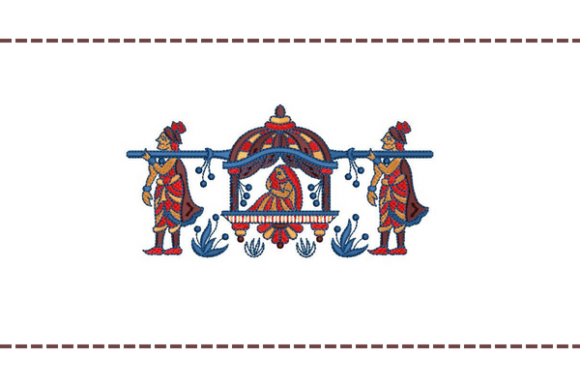
Whether you are looking to expand your line of Wedding Designs or simply need a versatile accent for everyday branding, Decorative Elements offers a compelling option. Its promise of a cozy, artistic feel aligns perfectly with the current market demand for authentic, handcrafted aesthetics. By understanding its strengths and limitations, small business owners can leverage this design to create memorable small business merch that stands out in a crowded marketplace.
Remember, the difference between a good product and a great one often lies in the execution. Take the time to test, refine, and perfect your application of this embroidery file. With the right preparation, Decorative Elements can become a signature component of your brand's visual identity, elevating everything from your staff uniforms to your customer gifts.